
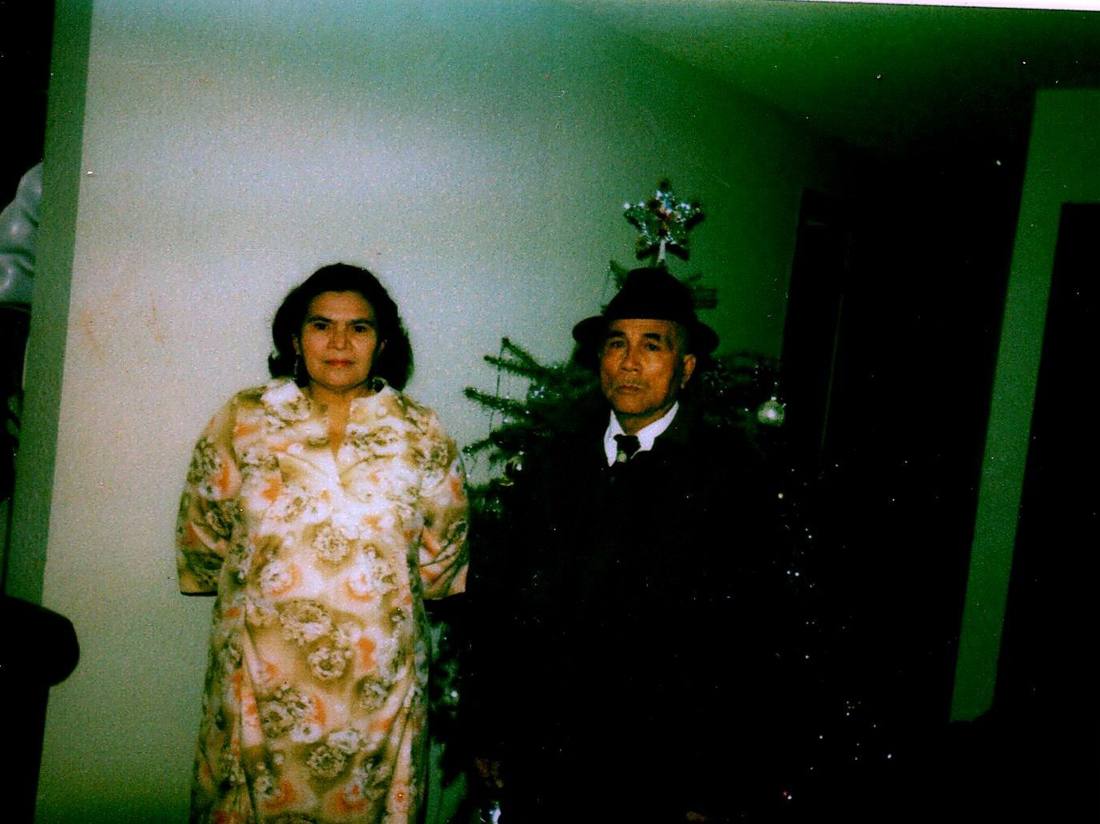
A farm worker with almost no schooling
He was born in a barrio outside Urdaneta, in Pangasinan, the son of a farmer. He had very little schooling and could barely read or write his whole life. At about eighteen he signed on as a sakada, one of the thousands of Filipino men recruited to cut sugar cane in Hawaii, and sailed from Manila on the President Pierce in October 1928 with what he could carry.
For the next twenty years he followed the harvests. Cane at Laie, pineapple at Wahiawa, the vegetable and seed fields around Lompoc, the truck farms of Bellevue and Bothell, a salmon cannery at Uyak Bay in Alaska. He slept in crew houses with a dozen other men. He had no land, no trade, and no family on this side of the ocean except the one the crew made for each other.
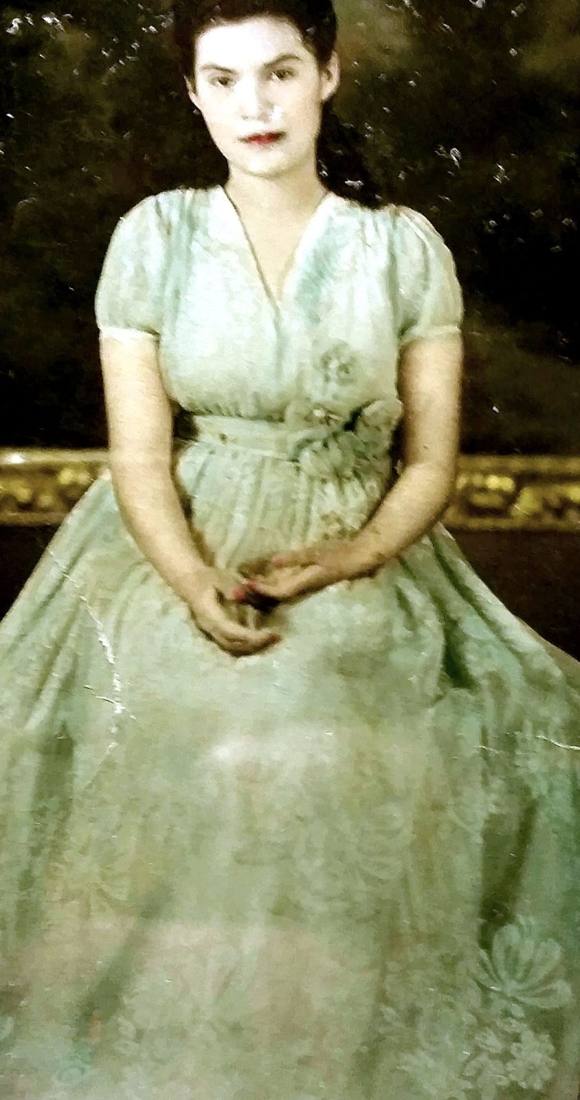
Graciela Aceves of Calexico and Mexicali
Born 16 October 1928 at Calexico, California. Her father, Lauro Aceves, was a mechanic from Santa Ana, Sonora; her mother, Maria Quiros, was from Navojoa. Her sister Irma and brother Lauro (Larry) were older. Her parents separated in 1937, and her father died in Tijuana in 1941.
She grew up in Calexico and Mexicali. From 1947 to 1950 she worked at the Town Shop, a women’s dress shop in Calexico, first as a saleswoman and then as assistant manager. Her son Xavier was born at El Centro in July 1951, and by 1952 she was in Washington.
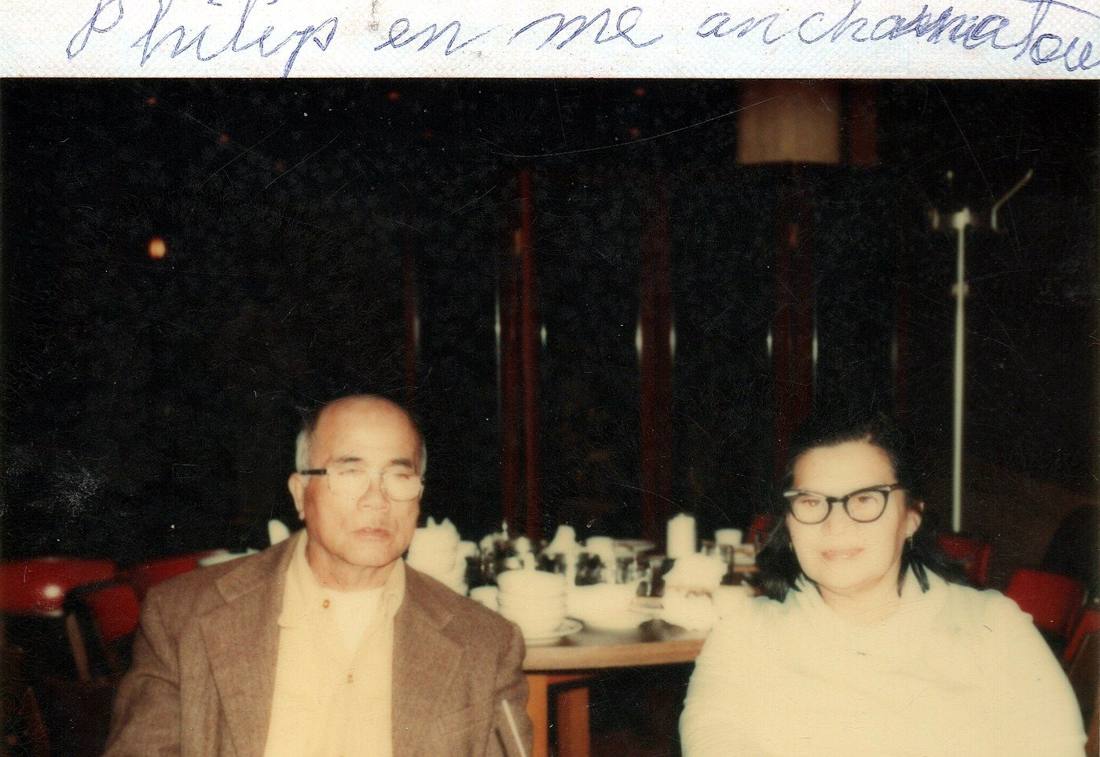
He met her when she had nowhere to go
Graciela was twenty three, newly arrived from the border with a baby son, and on her own. He was forty three and had been working other men's land for two decades.
He took them both. He raised Xavier as his own son and never made a distinction about it. By 1952 the three of them were on Frank Pambid's place in Redmond, and the rest of the family grew from there.
Everything she ever wanted, on a laborer's wages
He never earned much, and he never stopped. Thirty years of other people's harvests, then a job with the schools so he could sleep in his own bed, then another seventeen years of landscaping after he had already retired. Out of that, one piece at a time, he built a life nobody would have predicted for either of them.
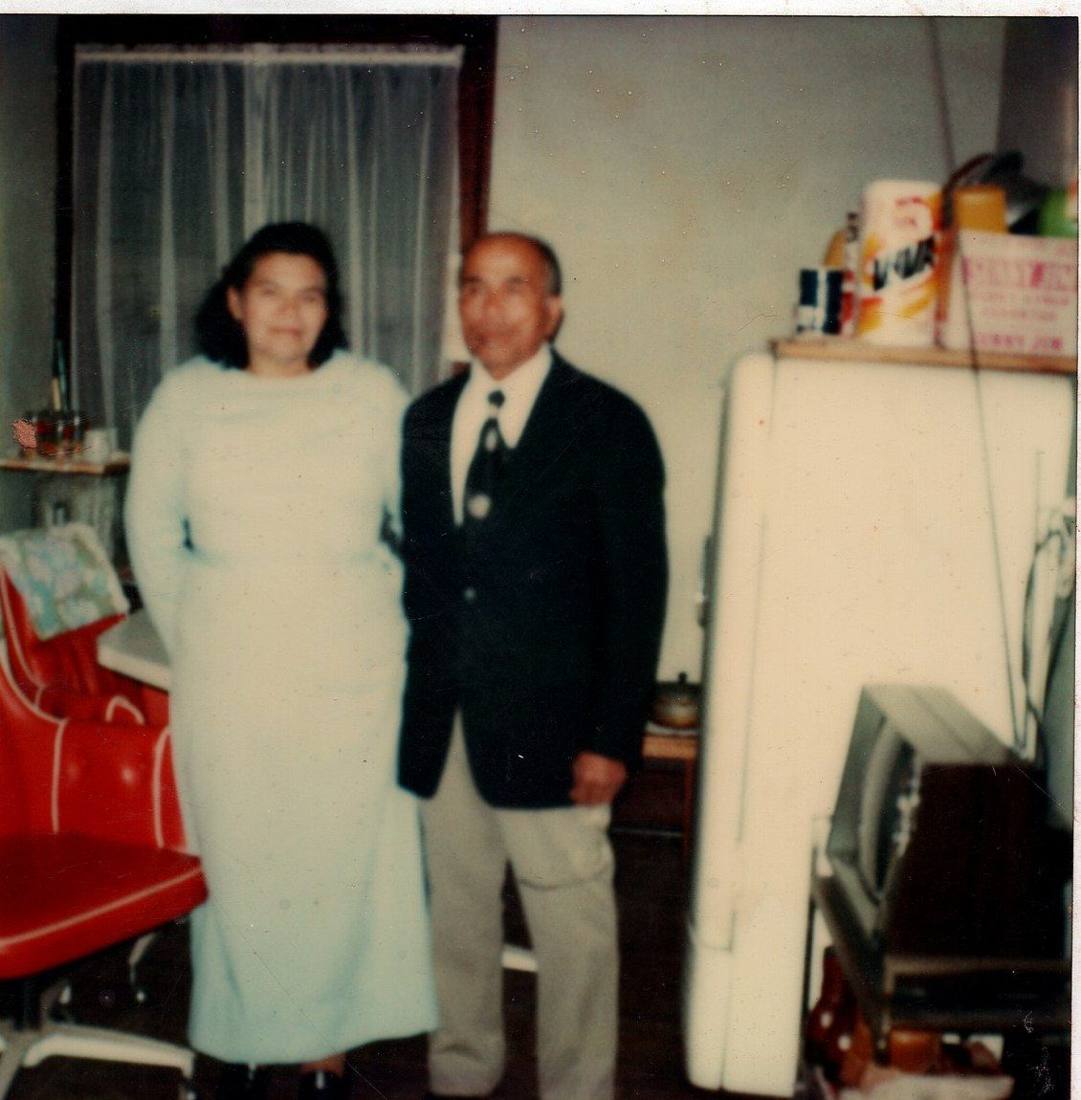
In 1972 he bought the house at 7885 151st. It was his, bought and paid for by a man who had arrived with nothing and could not read the contract without help.
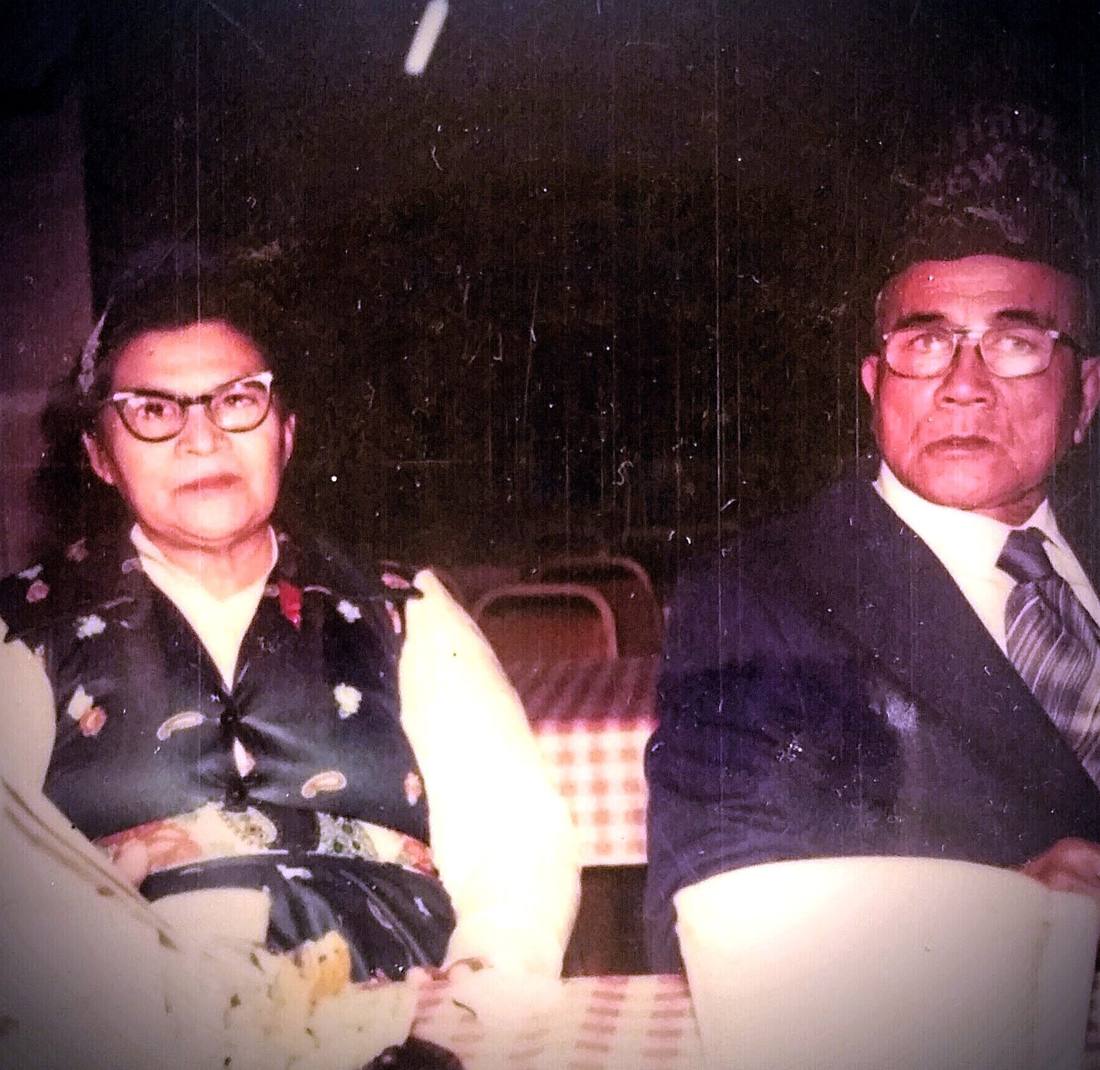
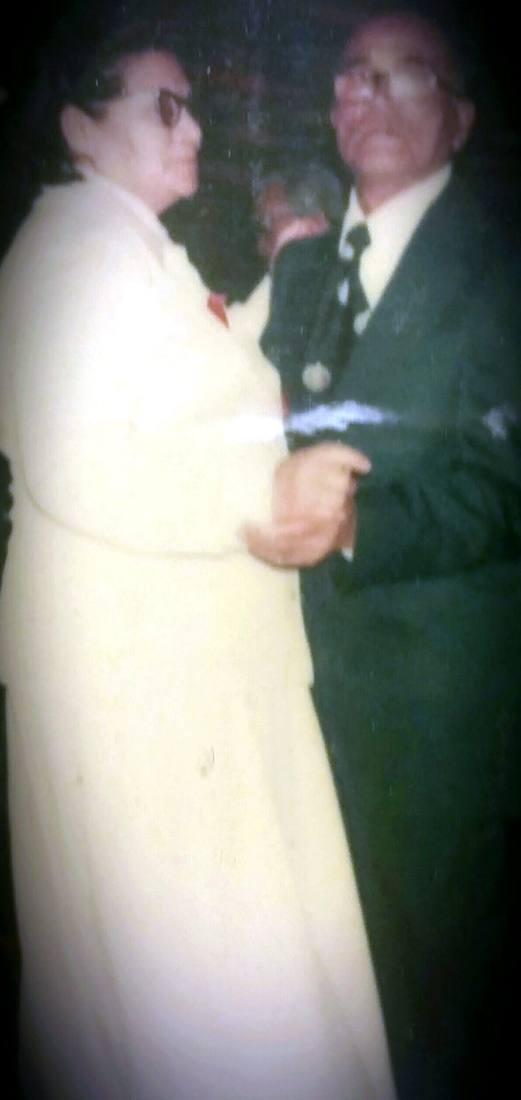
They both lived in that house until they died. When his health failed, Grace cared for him there, so that he would not die alone in a nursing home. He went first, in 1991. Lorraine kept the same promise to her: Grace stayed in the house, cared for at home by Lorraine, until 2015.

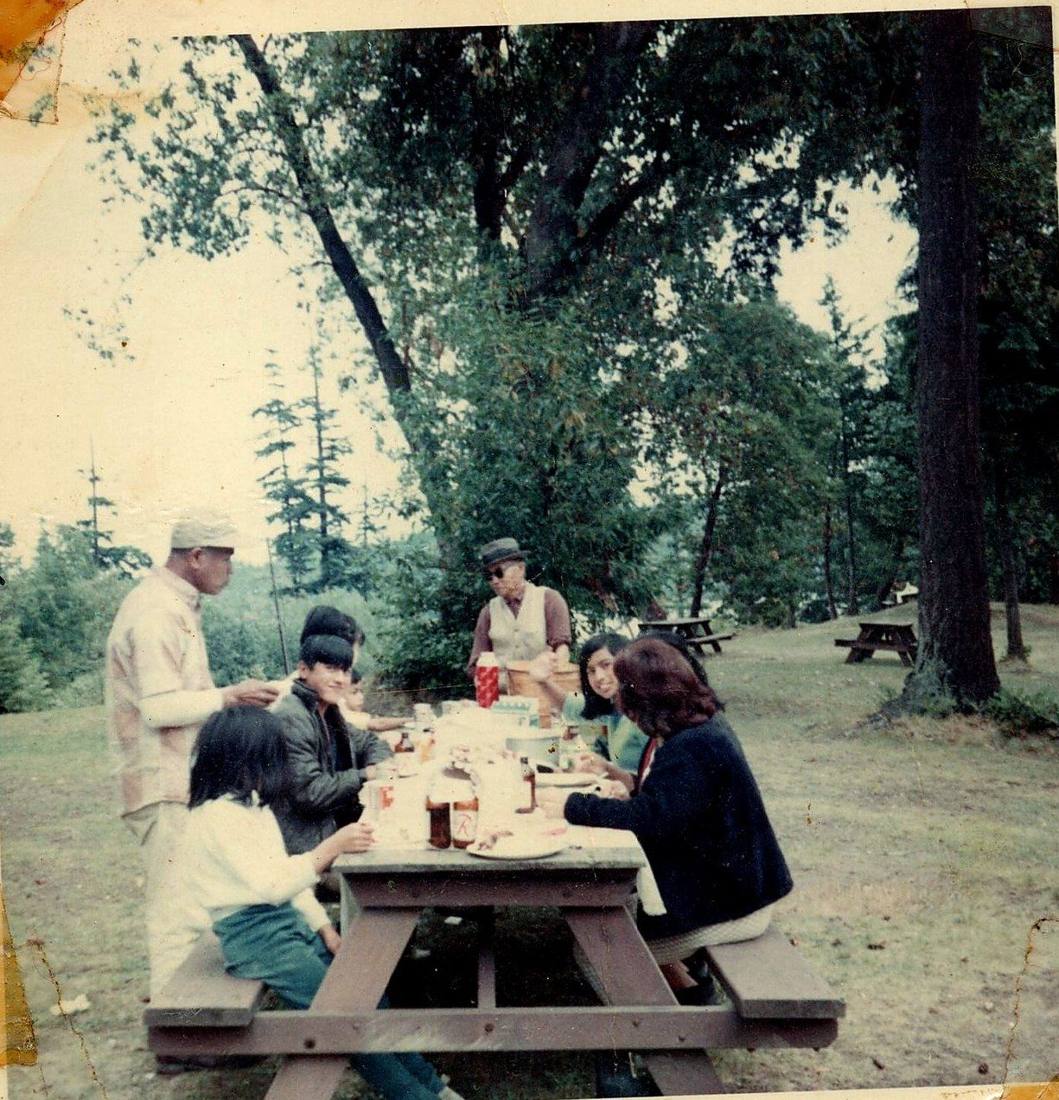
A long, ordinary, good life
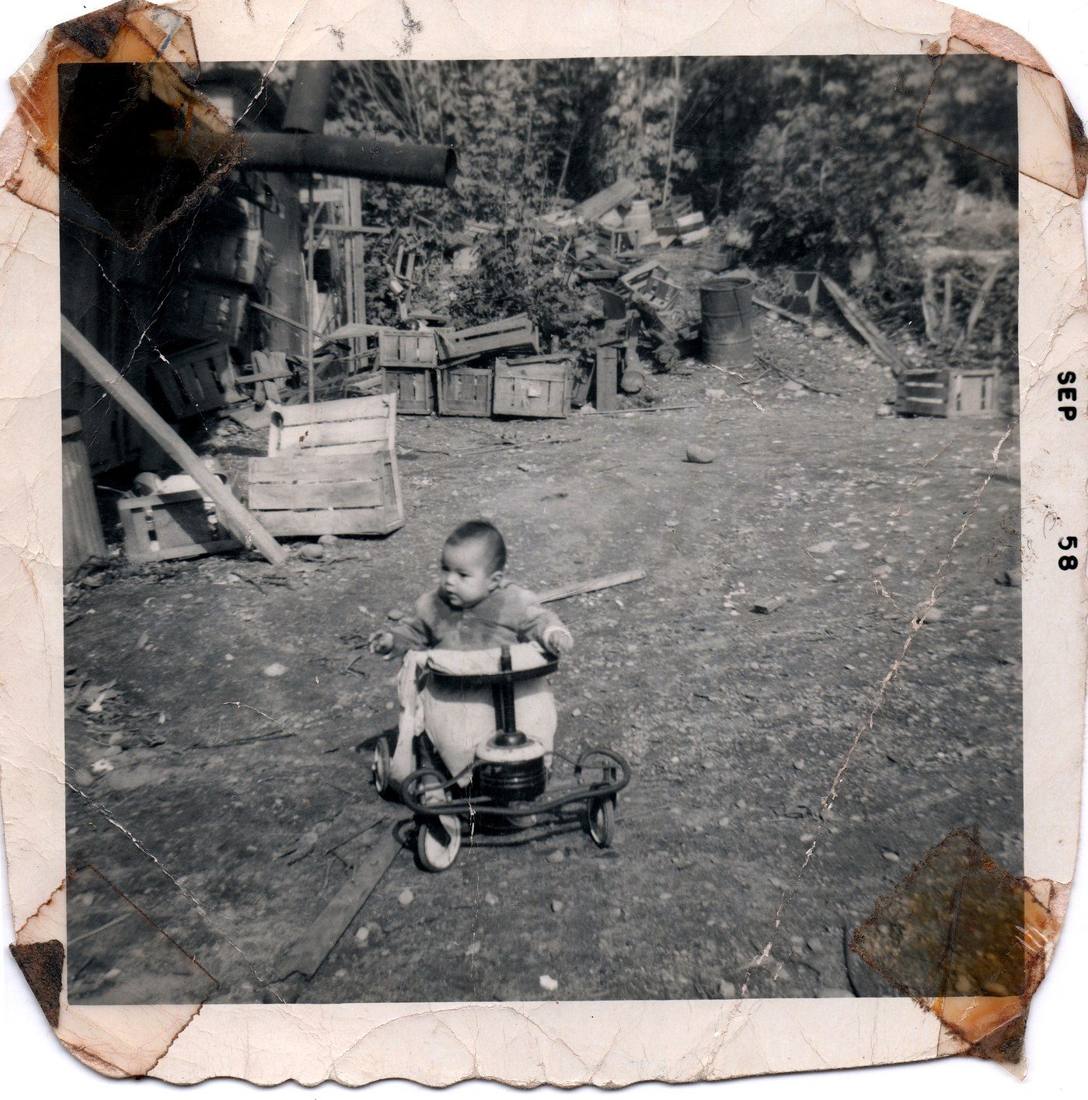
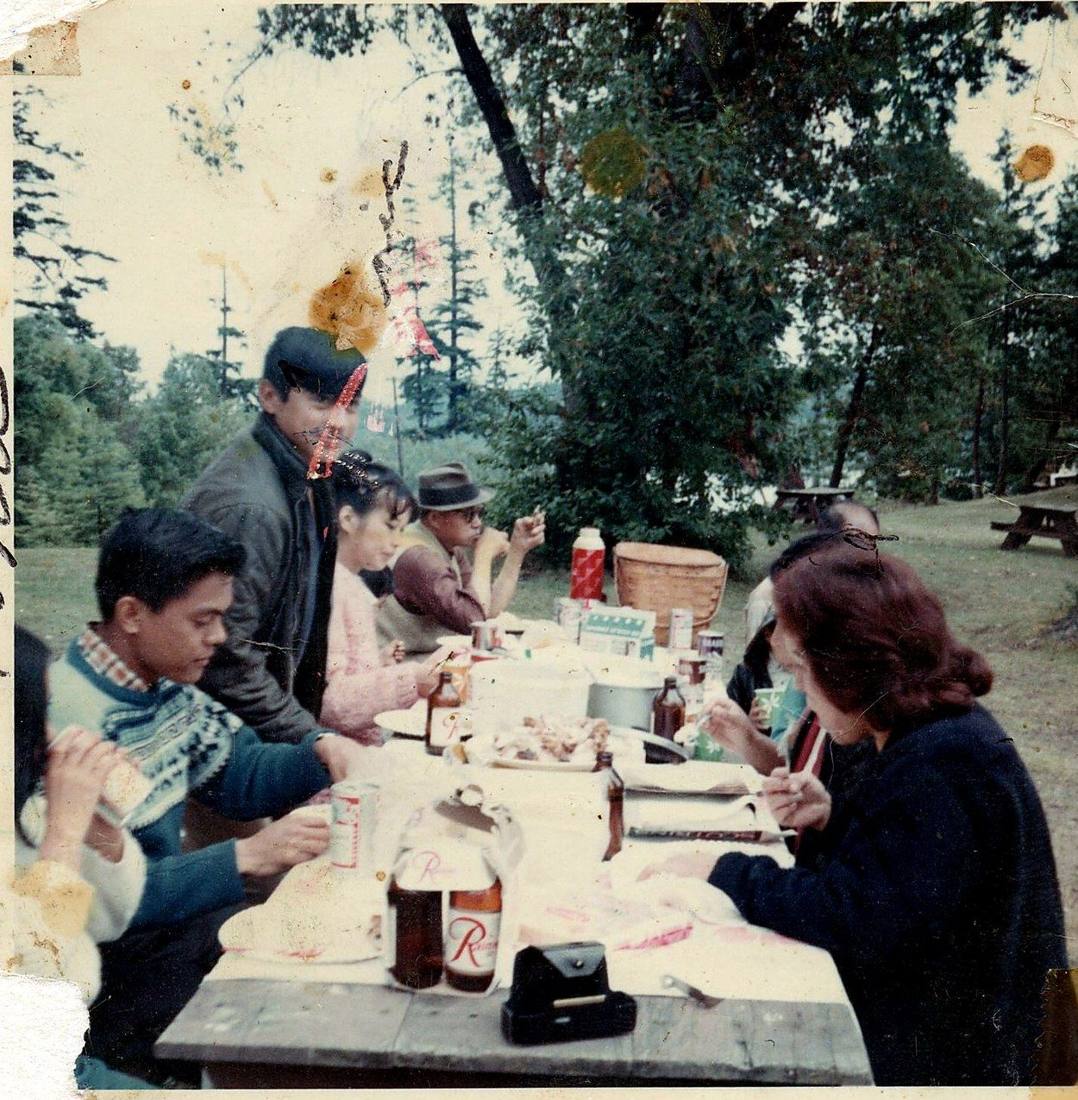
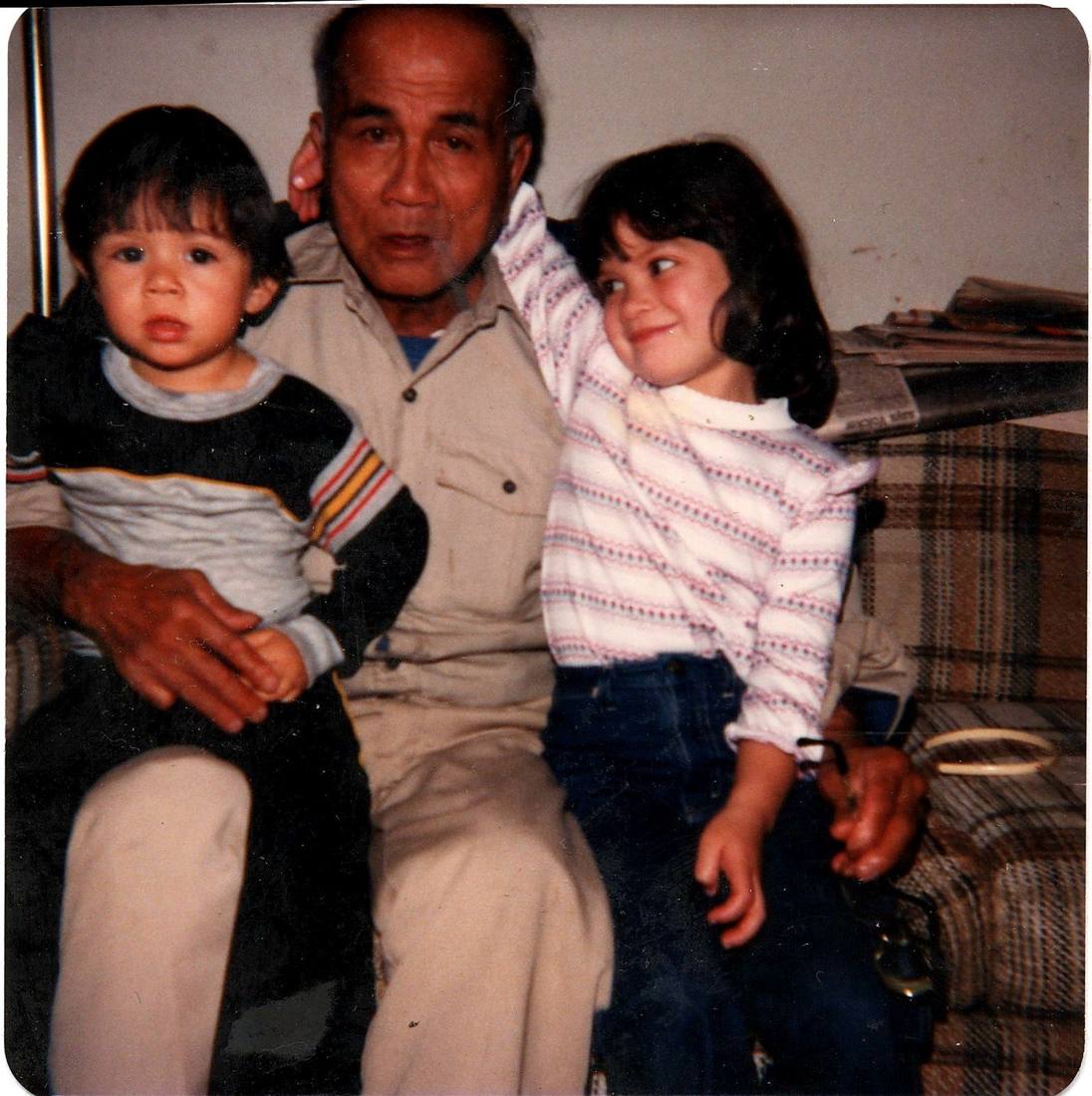
Why I built this
When my mom had me, she was what people called a single mother. My biological father was not there. On paper that is the whole story, and it is the wrong story.
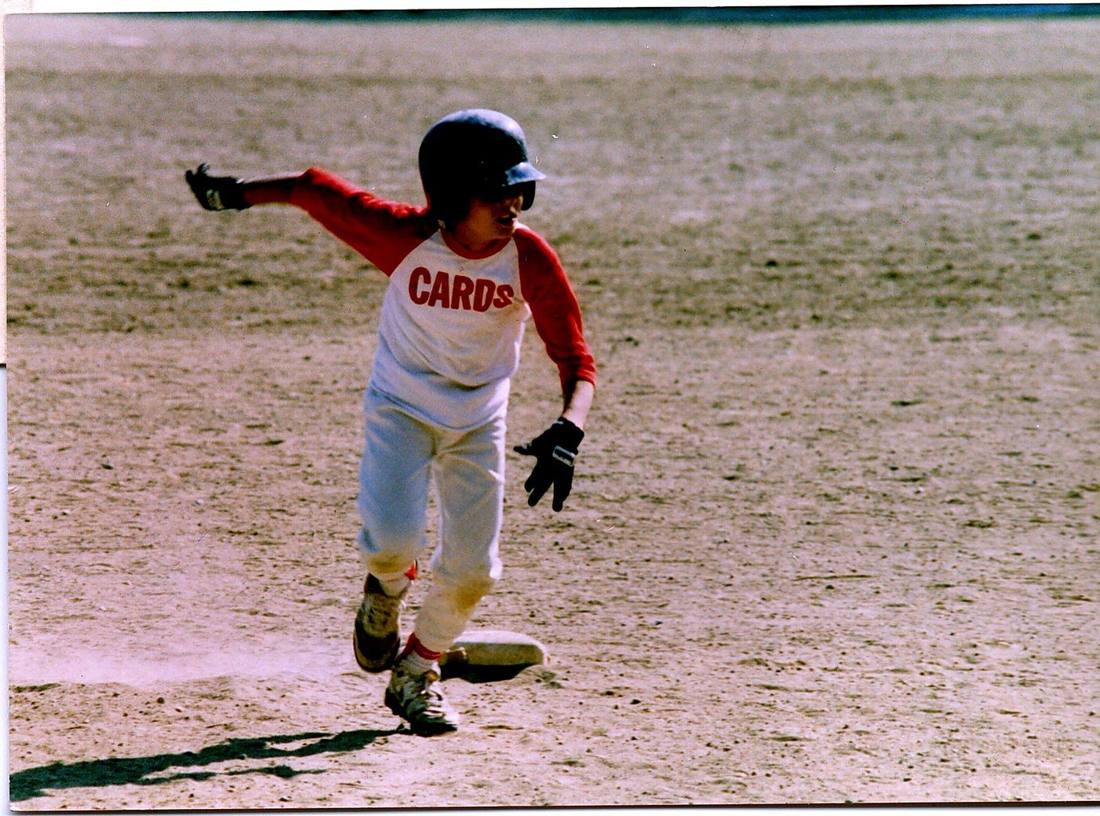
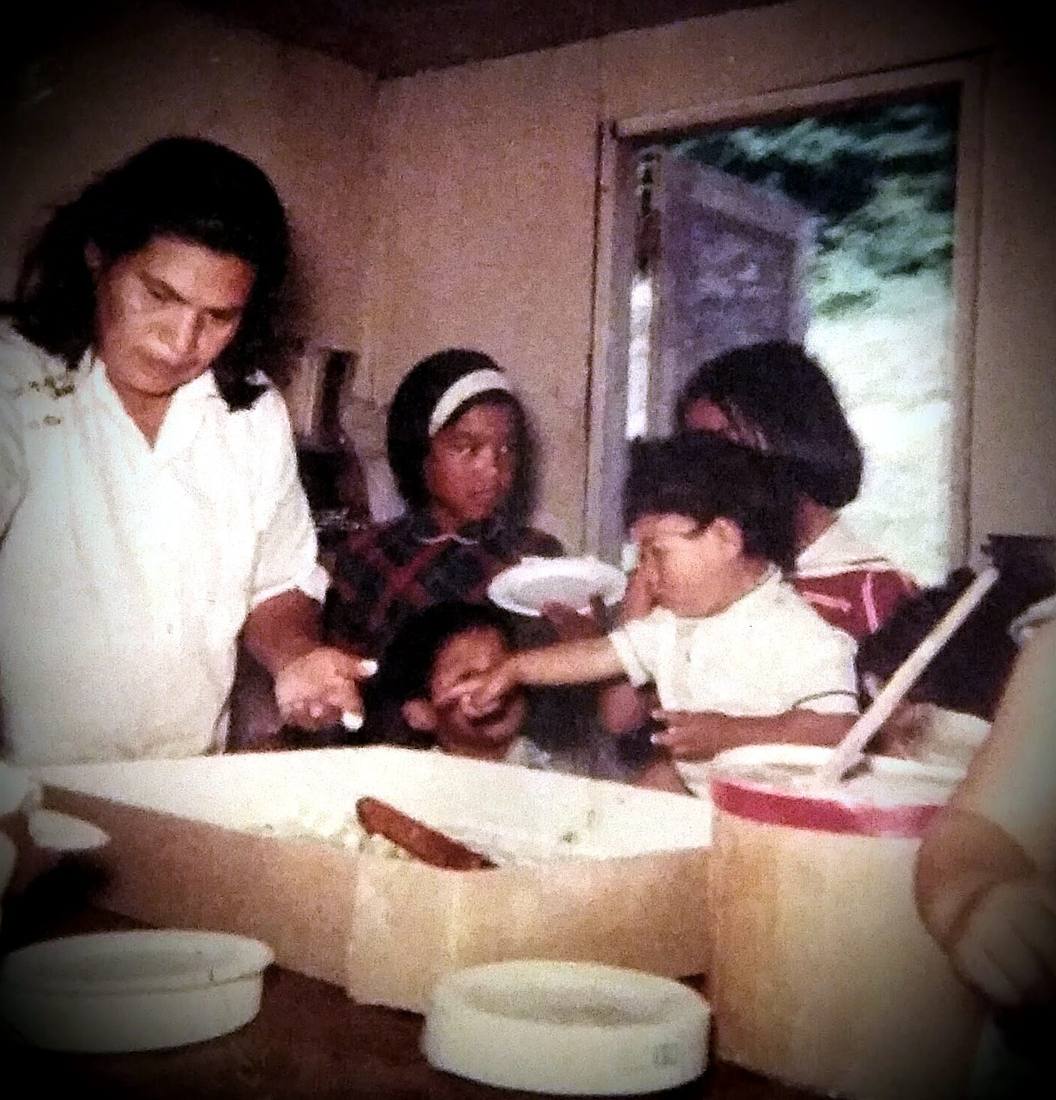
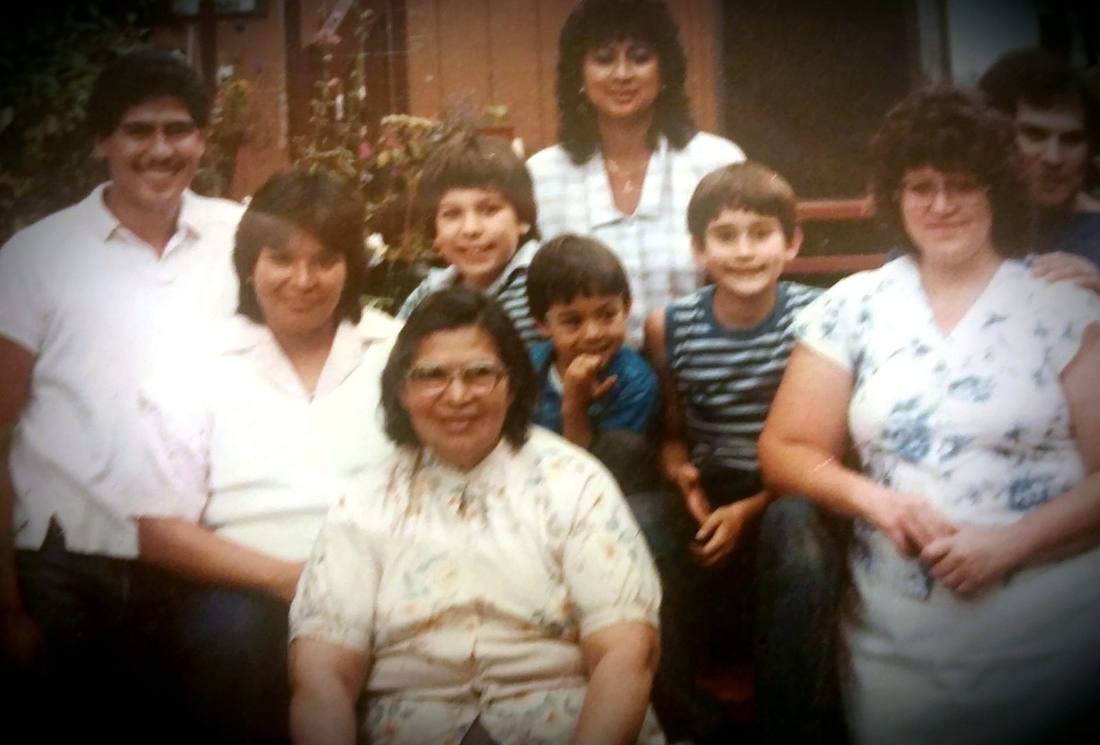
She was not alone, because my grandma and grandpa made sure she was not. And neither was I. My aunts and uncles were right there with them, the whole house of them. Whatever I was supposed to be missing, a father, brothers and sisters, they filled it between them without ever making it a thing that needed discussing. They were just there. At the games, at the table, in the garden, in every photograph on this site.
I never felt alone growing up. I still do not. That is what they gave me, and it is the reason this site exists. A man who crossed an ocean at eighteen and could barely write his own name built a family strong enough that three generations later it still holds.
This is for them, and for Grandpa Frank, who did the same thing for them first.
A draft in your voice, from what you told me. Change any line of it from the dashboard.